Unfixed-info.bin ^new^ Official
Many users find these keys through community forums, Reddit, or GitHub by searching for "tagmo unfixed-info.bin" or "all amiibo key_retail.bin".
Crucially, unlike .txt or .xml , most .bin files are not meant to be opened manually. They exist for programs to read and write efficiently. This ambiguity is exactly why unfixed-info.bin raises so many red flags for security-conscious users.
In practice, most enthusiasts search for pre-extracted files online. Because the files are identical across all retail hardware, a single extraction works globally.
If you have Custom Firmware installed:
. According to documentation from the AmiiboDB project, this small binary file (typically 80 bytes in size) serves a very specific purpose: it contains the master keys required to access and manipulate the "unfixed/unlocked information" of the Amiibo. This dynamic, unfixed portion includes changeable elements like the Amiibo's nickname, the assigned owner’s name, and any game-specific progress or stat data saved to the figure.
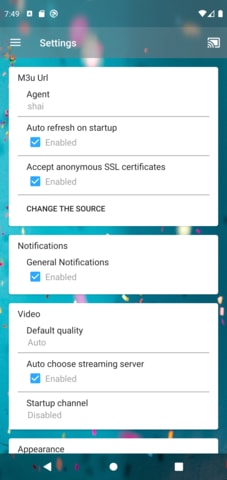
Here's a step-by-step guide on how to load the unfixed-info.bin file into TagMo:
Follow these steps if you are paranoid (paranoia is healthy in cybersecurity): unfixed-info.bin
: Users must manually import both unfixed-info.bin and locked-secret.bin into the app settings before it can successfully write data to NTAG215 chips.
To understand its role, you have to look at how Nintendo protects its data: Amiibos use these specific NFC chips. Encrypted Data: The data on these chips is locked.
: Because these files contain proprietary Nintendo encryption data, they are not included with software and must be sourced by the user. Lanjelin/AmiiboConverter: Convert, duplicate ... - GitHub Many users find these keys through community forums,
Understanding how unfixed-info.bin works is essential for developers, hardware enthusiasts, and power users who want to back up their physical collections or emulate Near Field Communication (NFC) tags. What is unfixed-info.bin?
Before we tackle unfixed-info.bin specifically, we need to understand its container. The .bin extension is one of the most ambiguous in computing. Short for "binary," a .bin file can represent almost anything:
: Amiibo data is encrypted using Nintendo's proprietary keys. To read, modify, or clone an Amiibo digital backup (a .bin file), software must use these keys to "unlock" the data. This ambiguity is exactly why unfixed-info
The real lesson here is broader: In an age of ransomware and zero-day exploits, fear of the unknown is rational. But not every odd-looking binary is a backdoor. Sometimes, unfixed-info.bin is just AMD's awkward way of saying, "We saw your custom overclock. We didn't touch it. Here's a receipt."


 App Store (Soon)
 Web (Soon)