Outside the USA?
We're sorry, but we don't ship outside the United States. Often the cultures don't survive the trip, or they get stuck in customs for several weeks.
Here's a list of resources you can use to find cultures:
Have you used JOTools in your workflow? What is your most-used JOTools shortcut? Share your configuration in the comments below. If you are looking for a specific tutorial on JOTools for MEP or Structural workflows, check out our related guides.
. Instead of requiring users to write Python or build complex Dynamo scripts, this assistant allows users to describe a task—such as "tag all doors in this view with their width"—and generates the automation instantly. This shift significantly lowers the technical barrier for architects who need custom logic but lack coding experience. Strategic Impact on BIM Workflows jotools revit
(Juan Osborne Tools) is a specialized suite of Autodesk Revit add-ins designed to bridge the gap between standard Revit functionality and the practical, daily needs of BIM managers and architects. Developed by Juan Osborne, these tools focus on extreme efficiency, often automating tasks that would otherwise take hours of manual labor. Core Functionality and Popular Tools Have you used JOTools in your workflow
A massive selling point for the JOTools suite is its highly developer-to-consumer friendly pricing philosophy. Accessible via the Autodesk App Store Pricing Low nominal fees (e.g., ~$9.99 for TransferSingle) License Type Perpetual Licensing Upgrade Cost If you are looking for a specific tutorial
Enhances Revit’s native selection tools by providing an advanced filter with expanding capabilities and a "selection keeper" to prevent accidental de-selection. Autodesk App Store The AI Evolution: J.O.T. Revit AI The most recent advancement in this ecosystem is the J.O.T. Revit AI Plugin , which moves beyond static tools toward natural language automation
: While the developer is generally responsive, major Revit updates sometimes result in short waiting periods for compatible plugin versions.
Revit’s native filter displays selected elements by category. FilterMore takes that concept and massively expands it. You can view your current selection grouped by category, family, type, or parameters, and then expand that selection through a range of relationship-based options.
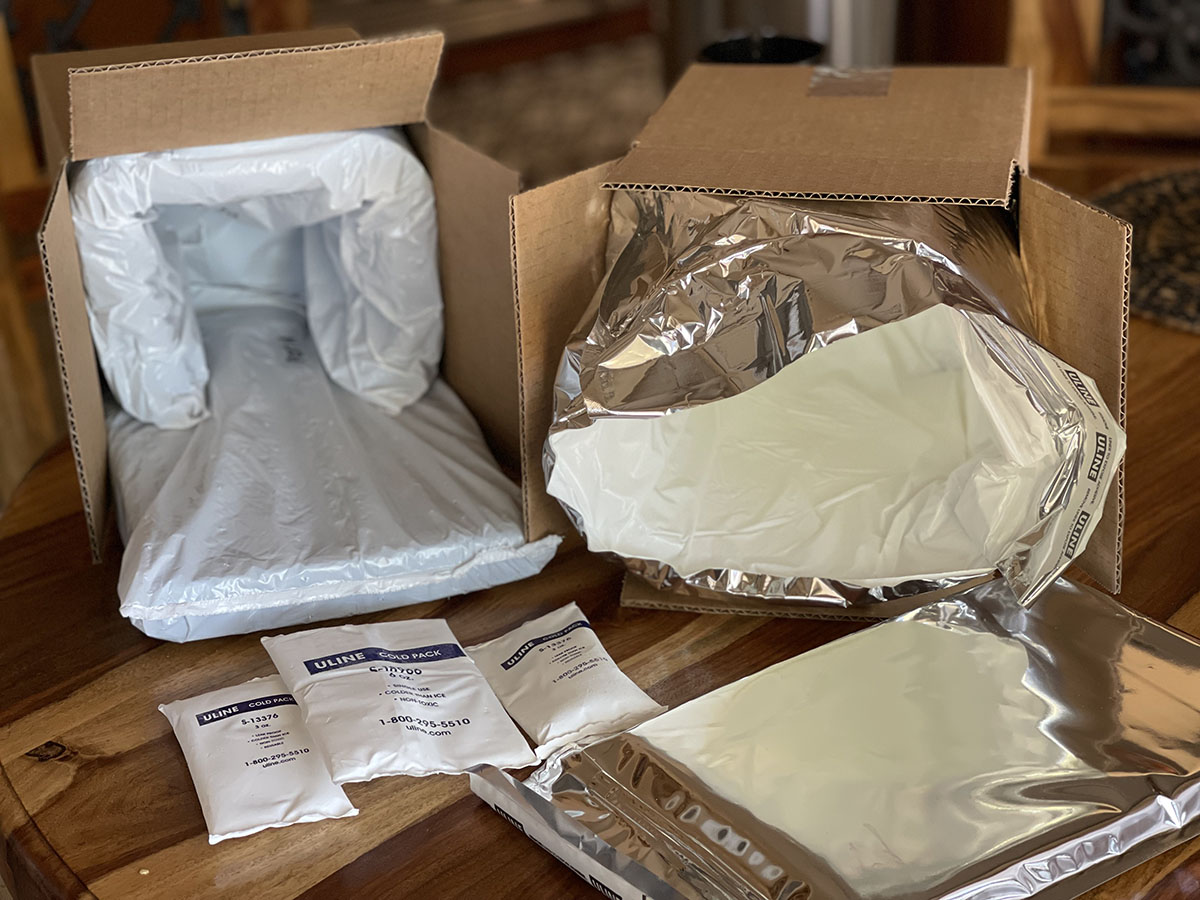
If it's hot in your area (between 90°-100° F), we recommend having your order shipped with insulated packaging and ice packs.
Here are a few things you should know: