

- Support Center
- Multiple Languages
- Language
- Help Us Translate
Understanding how your privacy can be compromised helps you take targeted steps to prevent it. There are four primary vectors of risk in modern camera systems. 1. Hacking and Unauthorized Access
The single most important factor dictating your privacy is where your video footage is stored and processed. Camera systems generally fall into two categories: cloud-based and locally stored. Cloud-Based Systems
Choose camera models equipped with mechanical lenses that physically close when you are home.
Several high-profile incidents have revealed that employee misconduct is a viable threat vector. Rogue engineers or customer support representatives at major security companies have been caught accessing live camera feeds of customers without authorization. Without strict access controls, your data is only as secure as the most curious employee at the corporation you buy from. Firmware and Network Hacking
The future of home security isn't just about higher resolution or better night vision—it's about building systems that respect the very privacy they are meant to protect.
| Aspect | Positive | Negative | |--------|----------|----------| | | Visible cameras reduce break-ins and package theft. | May shift crime to less-monitored neighbors. | | Remote monitoring | Allows real-time alerts and video access from anywhere. | Increases risk of unauthorized access (hacking, weak cloud security). | | Evidence collection | Provides footage for police or insurance claims. | Can be subpoenaed or accessed by law enforcement without owner’s consent. | | Neighbor impact | Homeowner feels safer. | Cameras may record adjacent properties, sidewalks, or public spaces — potentially violating others’ privacy. | | Data retention | Useful for reviewing past incidents. | Long-term storage (especially cloud-based) creates data breach risks and surveillance profiles. |
What is the for this piece? (e.g., tech-savvy homeowners, beginners, property managers)
: Primary users frequently justified constant recording even when it directly conflicted with the privacy values they claimed to hold.
Never point cameras at neighbors' bedrooms or bathrooms. Audio Recording: Laws are stricter for audio than video.
As we invite high-definition lenses and always-on microphones into our most intimate spaces, the line between safety and surveillance begins to blur. Here is a deep dive into the intersection of home security camera systems and privacy. 1. The Paradox of Feeling Safe While Being Watched
Many popular camera brands store recorded footage on remote cloud servers. If a security camera company suffers a data breach, thousands of hours of private video logs could be leaked, sold, or exposed to the public. 3. Insider Threats and Corporate Snooping
Security vulnerabilities are discovered constantly. Ensure your cameras are set to "auto-update" so they always have the latest patches against hackers. The Verdict
Expert in
PC Health Solution

All-in-one PC health solution: clean, optimize and secure

Comprehensive PC cleaning, optimization and protection

Keep drivers always up-to-date

More stable performance with less system crashes

Protect millions of computers against malware
Top computer security with full-round protection

Protect against viruses & boost PC performance
Understanding how your privacy can be compromised helps you take targeted steps to prevent it. There are four primary vectors of risk in modern camera systems. 1. Hacking and Unauthorized Access
The single most important factor dictating your privacy is where your video footage is stored and processed. Camera systems generally fall into two categories: cloud-based and locally stored. Cloud-Based Systems
Choose camera models equipped with mechanical lenses that physically close when you are home.
Several high-profile incidents have revealed that employee misconduct is a viable threat vector. Rogue engineers or customer support representatives at major security companies have been caught accessing live camera feeds of customers without authorization. Without strict access controls, your data is only as secure as the most curious employee at the corporation you buy from. Firmware and Network Hacking
The future of home security isn't just about higher resolution or better night vision—it's about building systems that respect the very privacy they are meant to protect.
| Aspect | Positive | Negative | |--------|----------|----------| | | Visible cameras reduce break-ins and package theft. | May shift crime to less-monitored neighbors. | | Remote monitoring | Allows real-time alerts and video access from anywhere. | Increases risk of unauthorized access (hacking, weak cloud security). | | Evidence collection | Provides footage for police or insurance claims. | Can be subpoenaed or accessed by law enforcement without owner’s consent. | | Neighbor impact | Homeowner feels safer. | Cameras may record adjacent properties, sidewalks, or public spaces — potentially violating others’ privacy. | | Data retention | Useful for reviewing past incidents. | Long-term storage (especially cloud-based) creates data breach risks and surveillance profiles. |
What is the for this piece? (e.g., tech-savvy homeowners, beginners, property managers)
: Primary users frequently justified constant recording even when it directly conflicted with the privacy values they claimed to hold.
Never point cameras at neighbors' bedrooms or bathrooms. Audio Recording: Laws are stricter for audio than video.
As we invite high-definition lenses and always-on microphones into our most intimate spaces, the line between safety and surveillance begins to blur. Here is a deep dive into the intersection of home security camera systems and privacy. 1. The Paradox of Feeling Safe While Being Watched
Many popular camera brands store recorded footage on remote cloud servers. If a security camera company suffers a data breach, thousands of hours of private video logs could be leaked, sold, or exposed to the public. 3. Insider Threats and Corporate Snooping
Security vulnerabilities are discovered constantly. Ensure your cameras are set to "auto-update" so they always have the latest patches against hackers. The Verdict
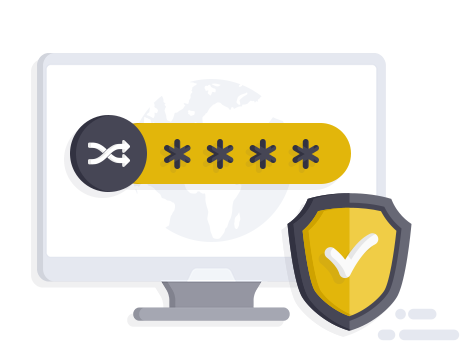
Don’t want your devices or sensitive data being touched by others, even your families or friends? You need to get rid of simple and “easy-to-guess” passwords. Random Password Generator uses IObit security methods to help you automatically generate random, secure passwords. Besides, you also can create random passwords through IObit Online Password Generator.
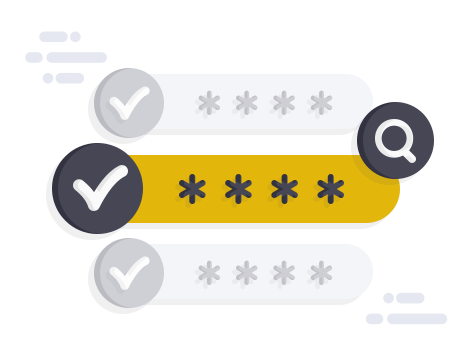
Lots of different strong passwords mixed together would be messy. To easily pick up passwords from different accounts, Random Password Generator offers password manager to help you manage passwords. Also, it provides quick search & access to your passwords.
Get Stronger Passwords Much Easier to Secure Your Privacy!
 Random Password Generator