Sung by Ankit Tiwari, this track became the definitive love anthem of 2014, capturing the serene and emotional bond between Guru and Aisha.
While audiences loved the film, critics were divided regarding its handling of violence. Common Sense Media noted the film’s excessive gore, weapon use, and "problematic gender roles". The primary criticism stemmed from Rakesh’s motive. While I Saw the Devil featured a random, misogynistic monster, Ek Villain attempted to justify the killer’s actions by showing he was "provoked" by women. Critics argued that turning a serial killer into a sympathetic victim of "nagging" wives and bosses sends a dangerous message regarding violence against women in society.
"Slicker [and] more romantic" than the original Korean cult classic.
The film drew heavy inspiration from the acclaimed South Korean thriller I Saw the Devil (2010). Mohit Suri adapted the premise for Indian audiences by injecting a heavy dose of Bollywood romance and emotion, making it highly attractive to international fans of global thriller cinema.
Key tracks from the Ek Villain album include:
, is a high-stakes narrative of revenge, redemption, and the duality of human nature. While it is often compared to the South Korean film I Saw the Devil
Riteish Deshmukh received widespread acclaim for his first negative role, portraying a cold, emotionless, yet deeply disturbing serial killer. Critics noted his ability to make a seemingly innocuous character terrifying.
The film’s power is in its raw, quiet moments—Aisha’s monologue about stars, Rakesh’s breakdown. English subtitles ensure you don’t miss the emotional weight.
"Riteish strikes the right amount of fear... Sidharth kills with his good looks."
Look at the
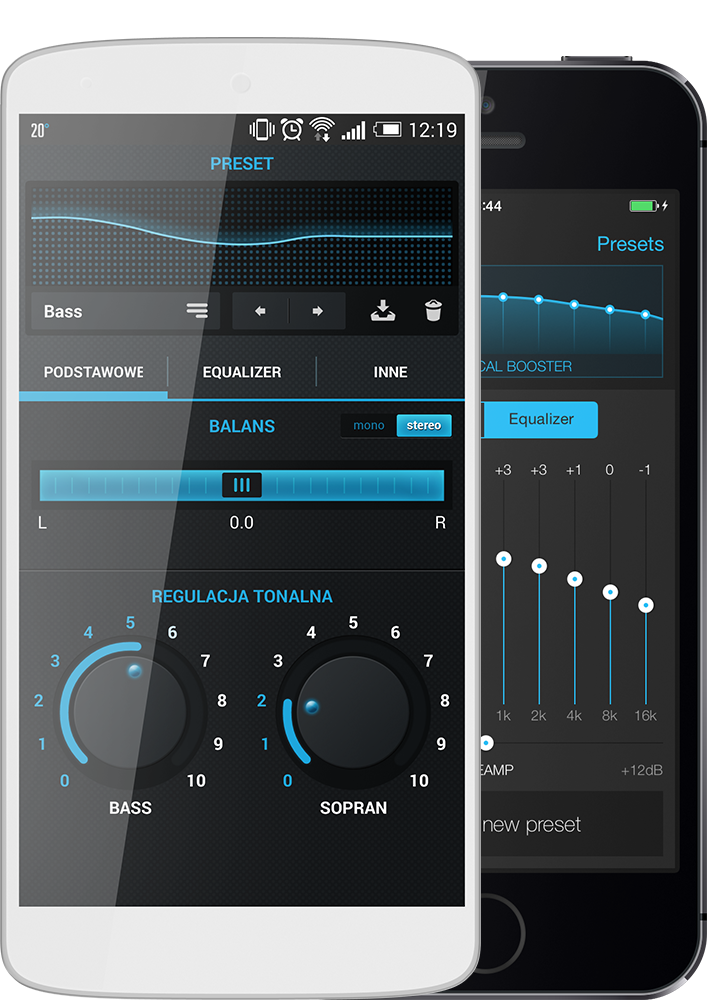
Have you ever wanted to make your favourite music sound even better? Now it is possible thanks to various audio equalization modules located in the n7player.
Sung by Ankit Tiwari, this track became the definitive love anthem of 2014, capturing the serene and emotional bond between Guru and Aisha.
While audiences loved the film, critics were divided regarding its handling of violence. Common Sense Media noted the film’s excessive gore, weapon use, and "problematic gender roles". The primary criticism stemmed from Rakesh’s motive. While I Saw the Devil featured a random, misogynistic monster, Ek Villain attempted to justify the killer’s actions by showing he was "provoked" by women. Critics argued that turning a serial killer into a sympathetic victim of "nagging" wives and bosses sends a dangerous message regarding violence against women in society.
"Slicker [and] more romantic" than the original Korean cult classic. Sung by Ankit Tiwari, this track became the
The film drew heavy inspiration from the acclaimed South Korean thriller I Saw the Devil (2010). Mohit Suri adapted the premise for Indian audiences by injecting a heavy dose of Bollywood romance and emotion, making it highly attractive to international fans of global thriller cinema.
Key tracks from the Ek Villain album include: The primary criticism stemmed from Rakesh’s motive
, is a high-stakes narrative of revenge, redemption, and the duality of human nature. While it is often compared to the South Korean film I Saw the Devil
Riteish Deshmukh received widespread acclaim for his first negative role, portraying a cold, emotionless, yet deeply disturbing serial killer. Critics noted his ability to make a seemingly innocuous character terrifying. "Slicker [and] more romantic" than the original Korean
The film’s power is in its raw, quiet moments—Aisha’s monologue about stars, Rakesh’s breakdown. English subtitles ensure you don’t miss the emotional weight.
"Riteish strikes the right amount of fear... Sidharth kills with his good looks."
Look at the